
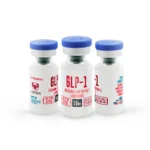
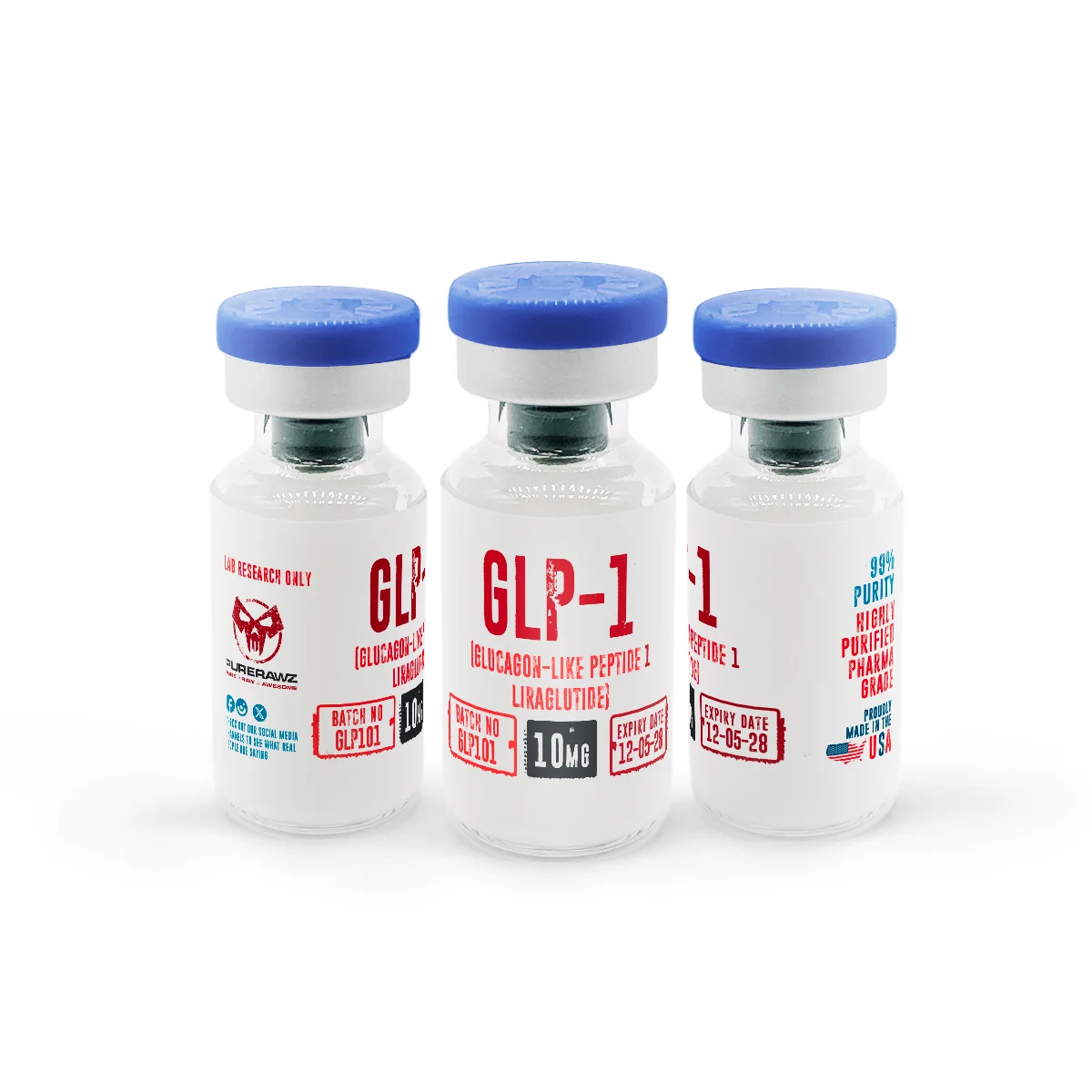
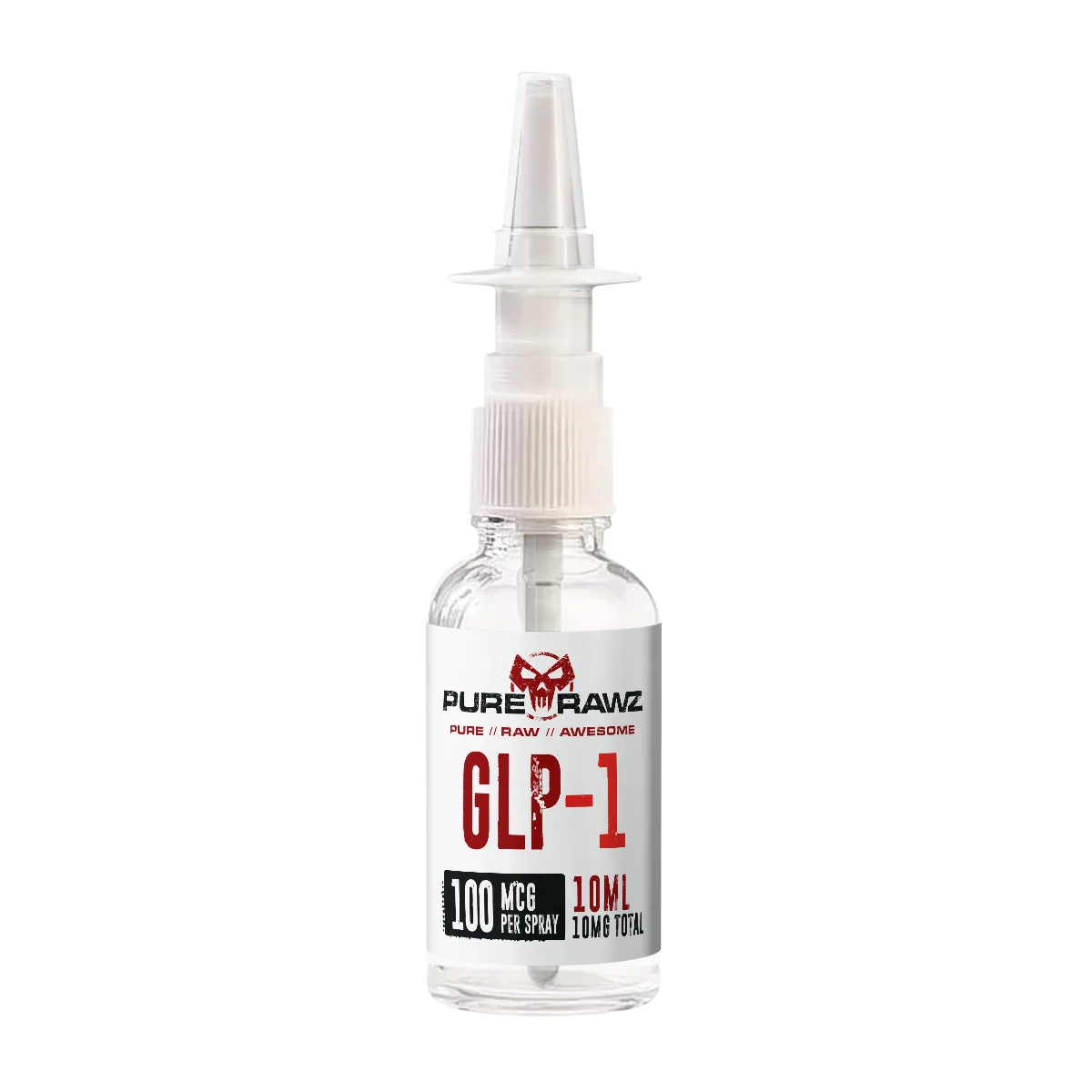
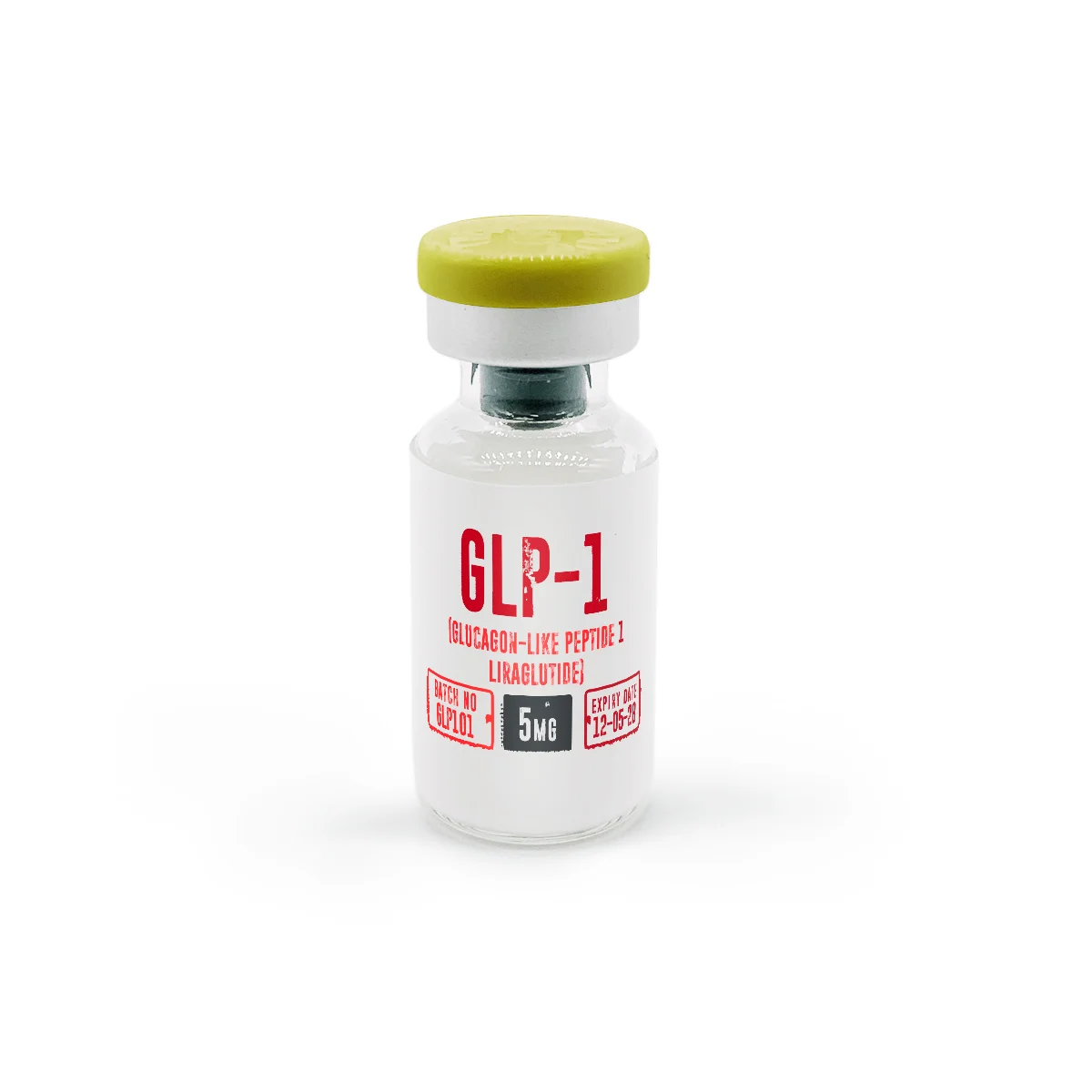
GLP-1
Price range: €199 through €667
 16 sold in last 18 hours
Buy GLP-1 online | GLP-1 for sale
Glucagon-Like Peptide-1 (GLP-1) is an endogenous incretin peptide belonging to the proglucagon superfamily. It is derived via post-translational processing of proglucagon and is secreted primarily by intestinal enteroendocrine L-cells in the small intestine and colon upon nutrient exposure, as well as by neurons within the nucleus of the solitary tract in the brainstem.
GLP-1 exists in two biologically active truncated forms: GLP-1(7–36) amide and GLP-1(7–37).
GLP-1 is a peptide being studied in metabolic research.
Preclinical investigations suggest that the compound may play a role in glucose-dependent insulinotropic signaling. A few studies have also indicated that the peptide may regulate appetite pathways.
Another research may have observed its potential involvement in neurodegenerative and cardiovascular processes in preclinical investigational models.
Disclaimer
The products sold by PureRawz are intended solely for laboratory and research purposes. They are not for human or animal consumption, and PureRawz does not sell these compounds for use in humans or animals. All compounds are strictly for use by qualified researchers in controlled, non-clinical laboratory environments in compliance with applicable regulations.
Important Notice Regarding FDA-Approved GLP-1 Receptor Agonist Pharmaceuticals: The research-grade GLP-1 (7–36) amide peptide supplied by PureRawz is the endogenous native peptide and is entirely distinct from FDA-approved GLP-1 receptor agonist pharmaceutical products, including but not limited to semaglutide (Ozempic®, Wegovy®), liraglutide (Victoza®, Saxenda®), dulaglutide (Trulicity®), tirzepatide (Mounjaro®, Zepbound®), and exenatide (Byetta®, Bydureon®). These are prescription pharmaceutical products approved for specific clinical indications and dispensed under physician supervision. The PureRawz product is a research-grade preparation for controlled laboratory use only and must not be used as a substitute for any pharmaceutical product.
Chemical and Molecular Properties
| Property | Details |
| Compound Name | Glucagon-Like Peptide-1 (GLP-1) |
| CAS Number (7–36 amide) | 107444-51-9 |
| PubChem CID | 16133831 (7–36 amide) |
| Precursor | Proglucagon (chromosome 2p25) |
| Compound Class | Incretin peptide hormone / investigational research compound |
| Molecular Formula GLP-1 (7–36) amide | C₁₄₉H₂₂₆N₄₀O₄₅ |
| Molecular Weight (7–36 amide) | 3297.67 Da |
| Amino Acid Residues | 30 (7–36 amide) · 31 (7–37) |
| Secondary Structure | Two α-helices: residues 13–20 and 24–35, separated by a linker region |
| Receptor-bound Conformation | Kinked continuous α-helix (Thr13–Val33) upon ECD binding |
| Receptor Target | GLP-1R (class B GPCR, ~53 kDa) |
| Physical Form | White to off-white lyophilized powder |
| Solubility | Soluble in water and aqueous buffers (pH 4–8); recommended: sterile water or acetic acid buffer |
| Isoelectric Point (pI) | ~5.5 (7–36 amide) |
| Storage Conditions | −20°C or below, sealed, moisture-protected, dark; single-use aliquots recommended |
| Stability in Solution | Limited; avoid repeated freeze-thaw cycles |
| Reconstitution | Sterile water or 0.1% acetic acid; use immediately or aliquot and store at −80°C |
| Biological Half-life (in vivo) | <2 minutes (native; due to rapid DPP-4 cleavage) |
| Primary Degradation Enzyme | Dipeptidyl peptidase-4 (DPP-4) — cleaves at Ala-8 position |
| Purity (Purerawz) | ≥99%+ (batch-tested, COA available) |
| Regulatory Status | Not FDA-approved for human or animal use; investigational research compound only |
| Intended Use | Qualified researchers in controlled, non-clinical laboratory environments |
Proposed Working Mechanism of GLP-1
Preclinical studies indicate that GLP-1 operates through a well-characterized two-step binding mechanism at the GLP-1R.
The C-terminal region of the peptide initially engages the large N-terminal extracellular domain (ECD) of the receptor along a defined peptide-binding site.
Following this initial contact, the N-terminal region of GLP-1 — particularly residues His7, Gly10, Asp15, and Phe28 accesses a deep transmembrane pocket, inducing conformational rearrangement of the helical bundle and facilitating interaction with the stimulatory G protein (Gs).Research data indicate that GLP-1R activation triggers stimulation of adenylate cyclase (AC), producing elevated intracellular cyclic AMP (cAMP) concentrations. This cAMP signal is transduced downstream through both protein kinase A (PKA) and EPAC pathways.
Preclinical findings further suggest that GLP-1R activation engages the PI3K/Akt signaling cascade via the βγ subunits of Gs proteins, influencing β-cell viability and replicative capacity in research models. Notably, preclinical data characterize this receptor activation as remarkably ligand-efficient, with biologically relevant responses observed at very low ligand concentrations across in vitro and in vivo preclinical systems.
Investigational Scope and Preclinical Research Areas
GLP-1 is being studied for the following research applications in investigational models.
-
Research on Metabolic and Glucose Homeostasis Pathways
Preclinical findings consistently demonstrate GLP-1’s role in glucose-dependent insulinotropic signaling in research models. There is some data pointing to cAMP-mediated modulation of insulin secretion and glucagon suppression pathways.
-
Cardiovascular Research and Cardioprotective Signaling
Experimental data from preclinical models suggest that GLP-1 and its analogs may exert direct effects on the cardiovascular system beyond glucoregulatory actions.
-
Neuroscience Research
Preclinical studies in research investigational models indicate that GLP-1R signaling may reduce amyloid-beta accumulation, tau phosphorylation, and oxidative stress.
-
Nephrology Research
Preclinical data suggest that GLP-1R activation may enhance renal perfusion via atrial natriuretic peptide (ANP)-mediated mechanisms, with investigational interest in models of metabolic kidney stress and chronic kidney disease-related pathology.
-
Hepatic Research
Evidence from preclinical models indicates that GLP-1R agonism may influence liver histology and hepatic lipid metabolism, making GLP-1 a relevant investigational tool for hepatic metabolic research.
Laboratory Handling and Safety Protocol
GLP-1 is a bioactive peptide for investigational use and must be handled exclusively by qualified researchers in a controlled, compliant laboratory environment. This compound should be treated with standard laboratory peptide handling protocols throughout all research procedures.
-
Storage Conditions:
GLP-1 peptide should be stored at −20°C or below in a sealed, moisture-proof container away from direct light exposure. Repeated freeze-thaw cycles should be avoided to preserve compound integrity; single-use aliquoting before long-term storage is the recommended protocol in research settings.
-
Handling Precautions:
Laboratory personnel should utilize appropriate personal protective equipment (PPE), including nitrile gloves, protective eyewear, and a lab coat, when handling this compound. Preparation and reconstitution procedures should be conducted under a biosafety cabinet or laminar flow hood to prevent contamination.
Exposure Risks
Incidental exposure to GLP-1 during laboratory handling carries a low acute hazard profile; however, the following exposure routes should be mitigated as a matter of standard practice:
- Dermal contact: Direct skin contact with concentrated peptide solutions should be avoided. While GLP-1 has poor transdermal absorption, intact skin contact with reconstituted solutions is not recommended. Rinse exposed areas immediately with water for a minimum of 15 minutes.
- Ocular exposure: Splash risk during reconstitution necessitates protective eyewear at all times. In the event of ocular contact, flush thoroughly with sterile saline or clean water and seek medical evaluation.
- Inhalation: Aerosolization of lyophilized powder during weighing or reconstitution presents an inhalation risk. This procedure must be performed within a laminar flow hood or biosafety cabinet. N95 or equivalent respiratory protection is advised when working outside of containment.
Toxicity and Data Limitations
GLP-1 and its analogs have been extensively studied in preclinical research models; however, the direct toxicity profile of research-grade GLP-1 in isolated laboratory handling contexts carries the following data limitations:
- Acute toxicity: No LD₅₀ values specific to research-grade GLP-1 peptide have been established under isolated laboratory exposure conditions. Available toxicology data is largely derived from pharmacological studies at therapeutic analog concentrations, which may not directly extrapolate to research-grade preparations.
- Chronic toxicity: Long-term or repeated low-level occupational exposure data for laboratory personnel handling GLP-1 is limited. Standard occupational hygiene controls should be applied in the absence of definitive chronic exposure data.
- Immunogenicity: Research-grade peptides, including GLP-1, may carry immunogenic potential depending on purity grade, carrier excipients, and preparation conditions. Researchers with known peptide sensitivities should exercise additional caution.
- Batch variability: Toxicity parameters may vary across synthesized batches due to differences in purity, residual solvents, or counterion composition. Researchers should review the Certificate of Analysis (CoA) for each lot prior to initiating protocols.
- Data gap acknowledgment: This protocol is informed by available preclinical and pharmacological literature. In the absence of compound-specific occupational toxicity data, the precautionary principle governs all handling recommendations herein.
WADA Status
As of the most recent World Anti-Doping Agency (WADA) Prohibited List, GLP-1 receptor agonists and related peptides are under active surveillance and subject to evolving classification:
- Current classification: GLP-1 receptor agonists are not currently listed on the WADA Prohibited List as a prohibited class in competitive sport; however, WADA has acknowledged their performance-relevant physiological effects and placed GLP-1 analogs under ongoing monitoring.
- Monitoring Program: GLP-1 analogs have been included in the WADA Monitoring Program in recent cycles, which precedes formal prohibition. Inclusion in the monitoring program does not constitute prohibition but signals regulatory scrutiny.
- Research implications: Institutions conducting doping-related research or sport science studies involving GLP-1 should consult the current WADA Prohibited List and the applicable National Anti-Doping Organization (NADO) guidelines prior to study initiation.
- Disclaimer: WADA classifications are updated annually on January 1. Researchers are responsible for verifying the current status of GLP-1 and its analogs against the most recently published WADA Prohibited List
Disposal
All GLP-1 peptide waste, associated consumables, and contaminated materials must be disposed of in accordance with applicable federal, state, and institutional biosafety and chemical waste regulations:
- Liquid waste: Spent solutions and reconstituted peptide waste should be inactivated prior to disposal. Autoclaving at 121°C for a minimum of 30 minutes or treatment with 10% bleach solution (minimum 30-minute contact time) is recommended before disposal via the sanitary sewer, subject to institutional and municipal approval.
- Lyophilized/solid peptide waste: Unused solid peptide and vials should be collected in labeled biohazard or chemical waste containers and disposed of through the institution’s certified hazardous waste contractor.
- Sharps and needles: All sharps used in conjunction with GLP-1 handling must be disposed of in approved puncture-resistant sharps containers. Containers must be sealed when three-quarters full and processed through the institutional sharps waste stream.
- Personal protective equipment: Contaminated gloves, lab coats, and other disposable PPE should be placed in sealed biohazard bags prior to standard waste disposal or autoclave treatment per institutional protocol.
- Documentation: Disposal records, including quantity, date, method, and responsible personnel, should be maintained in accordance with institutional and regulatory recordkeeping requirements.
- Regulatory reference: Disposal must comply with EPA Resource Conservation and Recovery Act (RCRA) guidelines, applicable state environmental agency regulations, and institutional Environmental Health and Safety (EHS) protocols.
Why Buy GLP-1 from PureRawz?
PureRawz is committed to supplying research-grade compounds that meet the rigorous standards demanded by qualified laboratory researchers. Each batch of GLP-1 peptide undergoes rigorous independent third-party laboratory testing, with a Certificate of Analysis (COA) available for verification before use.
PureRawz maintains a 99%+ purity standard confirmed through independent batch testing protocols, ensuring that research outcomes are not compromised by compound variability or contamination. Researchers can access batch-specific COA documentation to validate compound integrity before initiating any experimental protocol.
FAQs
Why is GLP-1 considered a major target in translational metabolic research?
GLP-1 is studied because it connects nutrient sensing, endocrine signaling, and systemic metabolic regulation through activation of the GLP-1 receptor (GLP-1R). Researchers investigate GLP-1 signaling to better understand mechanisms involved in glucose homeostasis, cellular energy balance, gastrointestinal signaling, and inter-organ communication. Its broad receptor distribution across pancreatic, neuronal, cardiovascular, and renal tissues makes GLP-1 highly relevant in translational physiology and receptor biology research.
What makes GLP-1 receptor signaling unique among GPCR systems?
GLP-1R belongs to the class B family of G-protein-coupled receptors (GPCRs), which utilize a distinct peptide-binding mechanism compared to small-molecule GPCRs. Research demonstrates that GLP-1 first binds the extracellular receptor domain before activating the transmembrane signaling core. This activation promotes Gs-protein coupling, intracellular cAMP accumulation, and downstream signaling through PKA and EPAC pathways. Because of its structurally complex activation process, GLP-1R is frequently studied in receptor conformational dynamics and biased agonism research.
How is GLP-1 used in neurobiology and brain-gut axis research?
The presence of GLP-1 receptors throughout the central nervous system has expanded interest in GLP-1-related neuroscience research. Experimental models investigate its role in neuroinflammatory signaling, neuronal energy metabolism, oxidative stress regulation, and appetite-related neural circuits. GLP-1 is also commonly used in studies examining communication between gastrointestinal signaling pathways and central nervous system responses within the brain-gut axis.
What experimental techniques are commonly used to study GLP-1 activity?
GLP-1 research utilizes a wide range of analytical and molecular biology techniques to characterize receptor activation and downstream signaling events.
Commonly used methods include:
- cAMP accumulation assays
- Calcium mobilization studies
- ELISA-based peptide quantification
- Western blot and phosphoprotein analysis
- Quantitative PCR and transcriptomics
- Confocal microscopy and fluorescence imaging
- Radioligand receptor-binding assays
- Cryo-EM structural analysis
- Proteomics and metabolomics workflows
- Flow cytometry and live-cell imaging
These techniques help researchers evaluate tissue-specific signaling responses under controlled experimental conditions.
What challenges are associated with GLP-1 stability in laboratory research?
Native GLP-1 is rapidly degraded by the enzyme dipeptidyl peptidase-4 (DPP-4), resulting in limited biological stability under experimental conditions. Researchers often address this challenge through low-temperature storage, preparation of single-use aliquots, and controlled handling procedures designed to minimize degradation and repeated freeze-thaw exposure. Proper sample preparation and storage protocols are essential for maintaining peptide integrity during experimental workflows.
Is GLP-1 peptide approved for human or clinical use?
No. The GLP-1 peptide available from PureRawz is not approved by the FDA or any regulatory authority for human or animal consumption. It is an investigational compound sold strictly for laboratory research purposes by qualified scientists in controlled, non-clinical settings. It is not intended to diagnose, treat, cure, or prevent any condition in humans or animals. Researchers obtaining this compound from PureRawz agree that it will be used exclusively within the scope of legitimate preclinical research in compliance with all applicable regulations.
Disclaimer
This information is for educational purposes only and not medical advice. Products are for research use only. Research must follow IRB or IACUC guidelines. Verify information independently before purchasing. By ordering, you agree to our Terms and Conditions.
ATTENTION: All our products are for LABORATORY AND RESEARCH PURPOSES ONLY, not for veterinary or human use
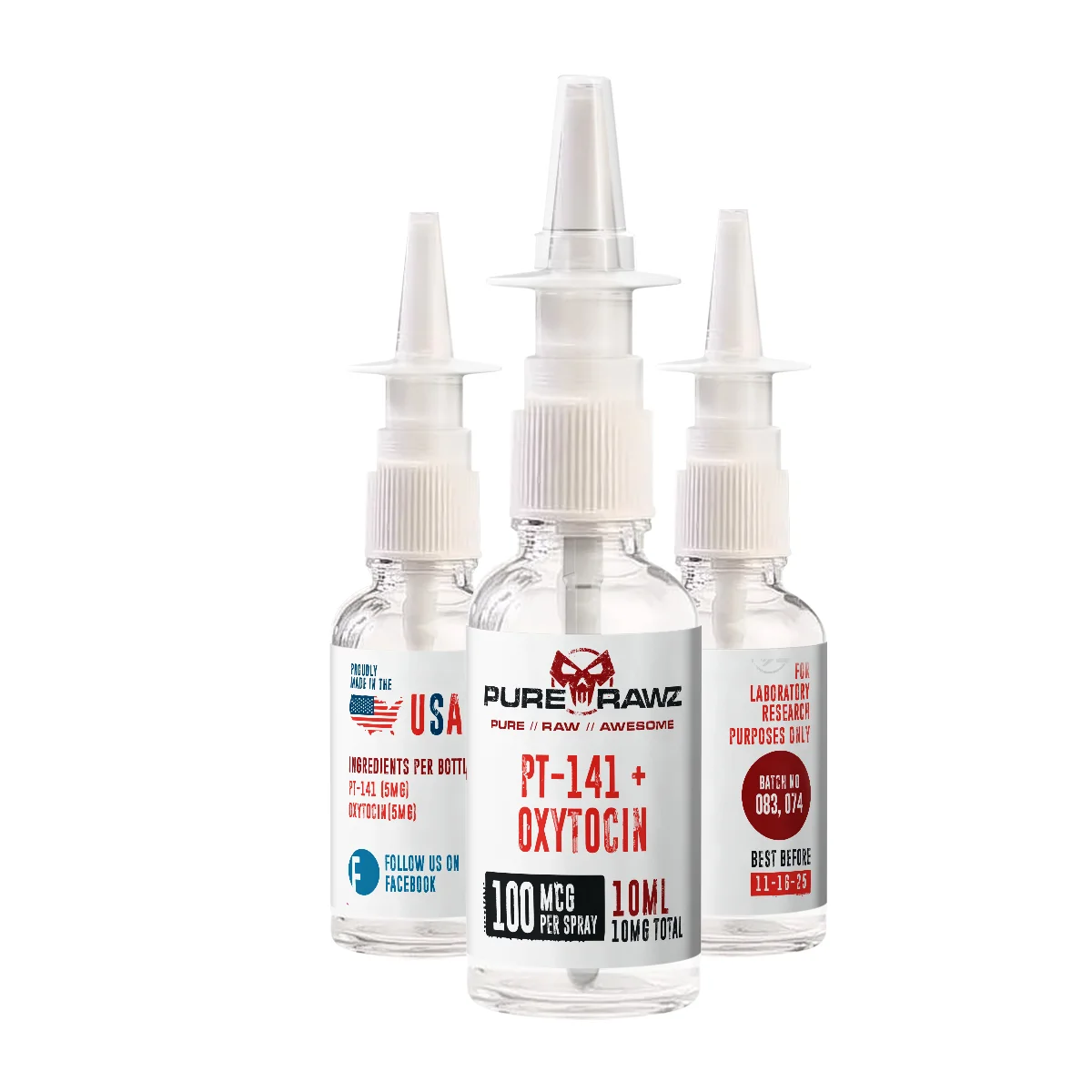
| Form | Peptide, Nasal Spray, Sublingual Tablets |
|---|---|
| Strength | 5mg, 10mg, 350mcg per tablet/30ct/10.5mg, 350mcg per tablet/60ct/21mg, 100mcg per spray/10ml/10mg, 200mcg per spray/10ml/20mg |







Reviews
There are no reviews yet.